
Space as Language: How the Best Interiors Speak Before Anyone Enters the Room
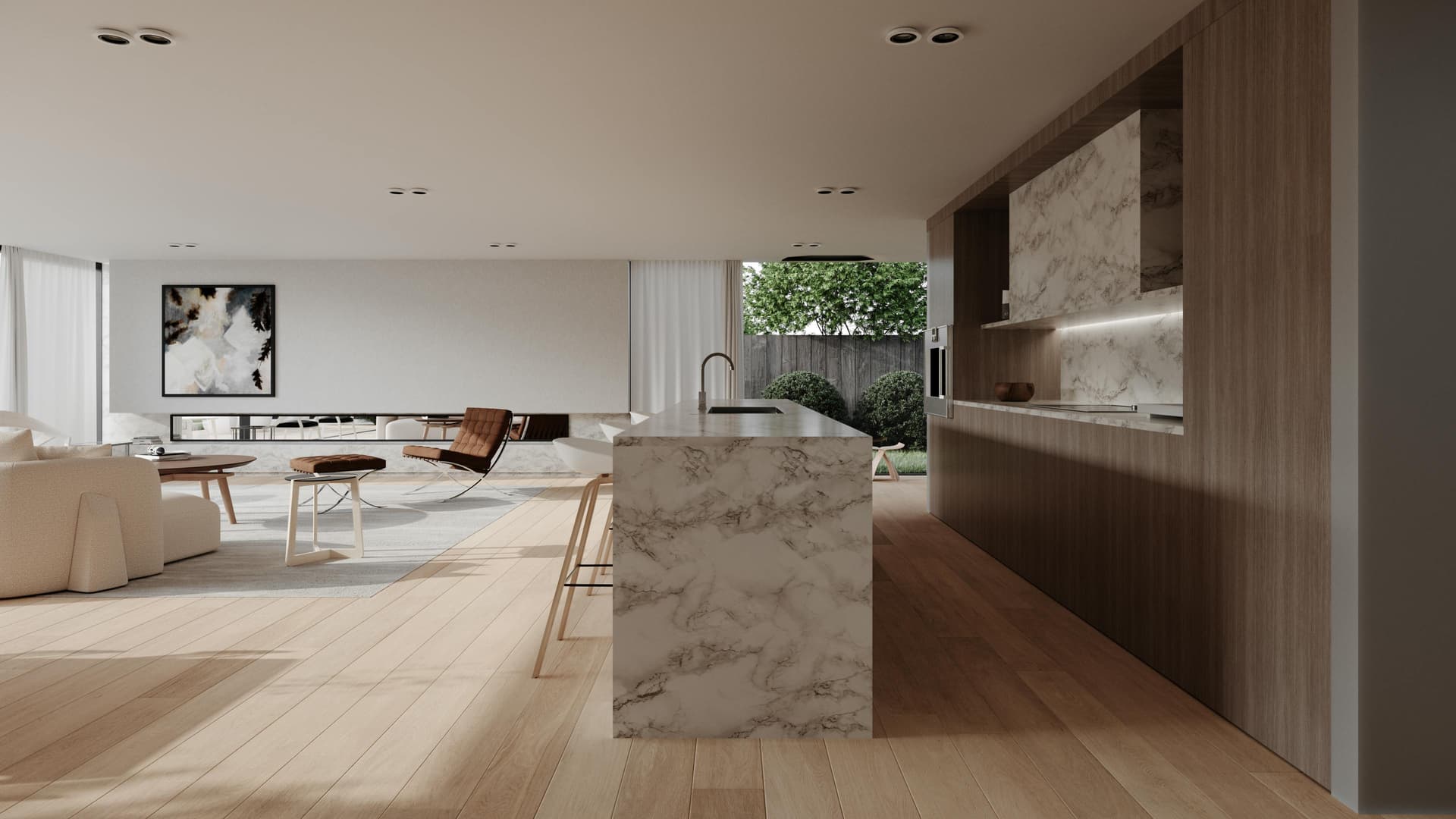
There's a moment every designer knows — when you step into a room and feel something shift before you've consciously registered why. The ceiling height, the quality of light, the way materiality moves from rough to refined across a single surface. It isn't magic. It's vocabulary. And the most exceptional designers are fluent in a language most people only sense.
We've spent years in an industry that celebrates the visual — the photogenic mood board, the hero shot, the reveal. But the spaces that endure, that clients return to emotionally long after the project closes, are the ones where intention lives in the details no camera fully captures. The resistance of a door handle. The acoustic softness of a room that makes people lean in and lower their voices. The deliberate decision to leave a corner empty, because the absence of object is itself a statement.
This is what separates a designer from a decorator: the understanding that every material choice carries weight, every spatial decision carries consequence, and nothing in a room is neutral.